 Vacuum Sealer Bags & Rolls for Food Savers (Free Shipping)
-
New customer?
Create account
Free shipping for Orders above $50
Products
Help
My Account
Reviews
Vacuum Sealer Not Working? Let's Find the Fix
Answer a few quick questions and we'll help you figure out what's wrong — and how to fix it.

Does the motor run when you press the Vacuum button?
In other words, do you hear a humming or running noise from the machine?
Do the bags tighten down when you press Vacuum?
In other words, does the machine actually pull a vacuum and suck the air out?
Does the air leak back into the bag right after sealing?
Within seconds of the seal finishing, the bag puffs back up.
Does the air leak back into the bag days after sealing?
You see the bag puffed up after a few days. Open the option that matches your situation:
Machine issue — happens with all foods
Sealing bar weakening
If the seal holds at first but fails after a few days regardless of what you're sealing, the sealing bar is gradually losing its bite. Two things to try:
-
 Inspect the seal line on a recent bag. Wavy or thin spots can mean the sealing bar tape is worn — or that spices, seasoning, or liquid got onto the bag's seal area and blocked a clean fuse. Try a fresh bag with a clean, dry mouth area; if the line still looks bad, replace the tape.
 -
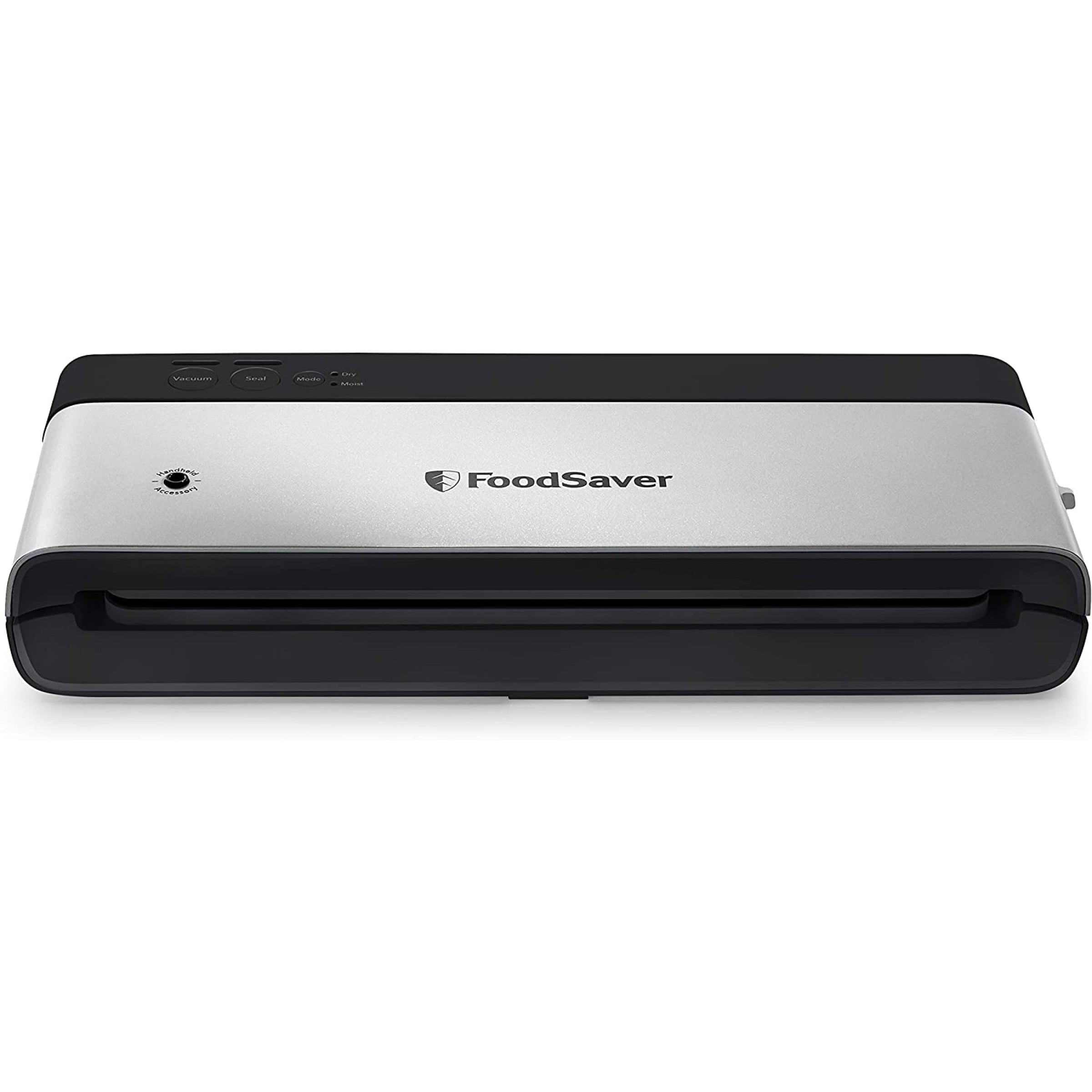 If new tape doesn't help, the sealing bar itself is the problem and the machine needs replacing. We'll refund the tape if it doesn't help — sealing tape works on most countertop sealers, so it's a low-risk first step.
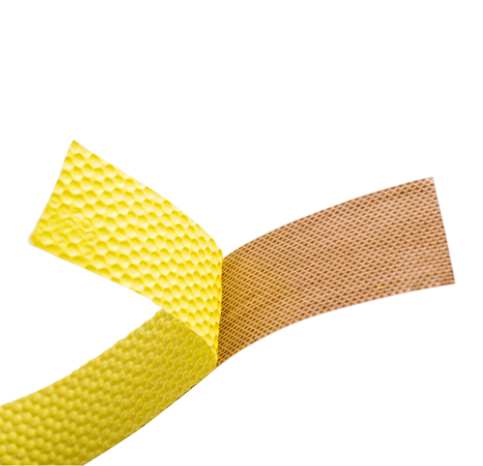
Try replacement sealing tape first
Protects the heating element so it seals like new again. Low-risk fix before replacing the machine.
Food-specific issue — only with certain foods
Prep matters
If the leak only happens with certain foods — seasoned chicken, raw pasta, jerky, or anything pointy or wet — the food itself is doing the damage. The fix is in how you prep the bag. We've put the full how-to just below.
Read best prep practices ↓Power, latching, or pump issue
If the motor doesn't run when you press Vacuum, the problem is one of three things: the power supply, the lid latch, or a worn-out pump. Try these in order:
-
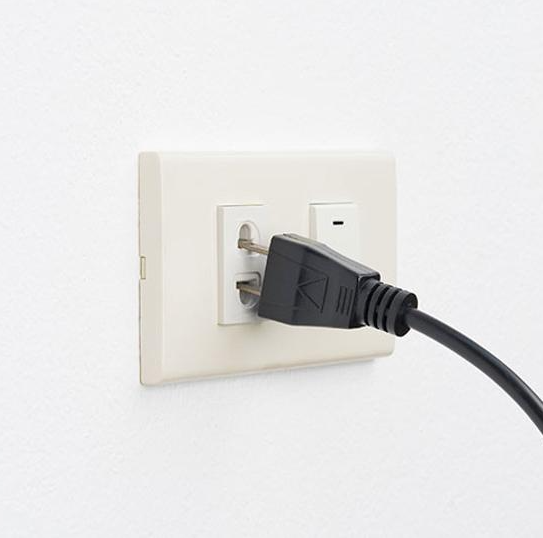 Check the power cable for damage and confirm the outlet is live by plugging in something else.
 -
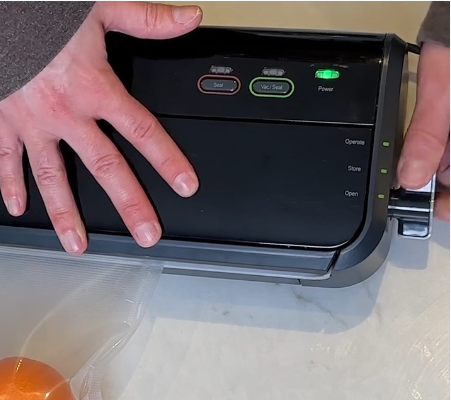 Some sealers only power on when the lid is latched all the way down. Push it firmly shut and listen for the click before pressing Vacuum again.
 -
If neither fixes it, the pump itself is shot. Replacement pumps cost almost as much as a new machine, and most countertop sealers aren't built to be repaired — a new machine is usually the better call.
Looking at a new machine?
Browse our countertop vacuum sealers — built for everyday food storage.
Likely a gasket leak
When the motor runs but air isn't being pulled out of the bag, the machine isn't getting a tight seal — usually because air is sneaking past the gasket. Three checks to confirm and fix it:
-
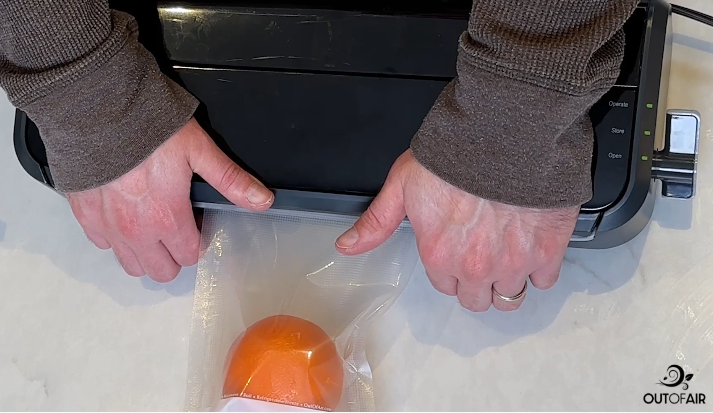 First, press down firmly on the lid while the motor runs. If the bag starts to tighten when you push, that confirms a gasket leak — the lid isn't seating tight enough on its own.
 -
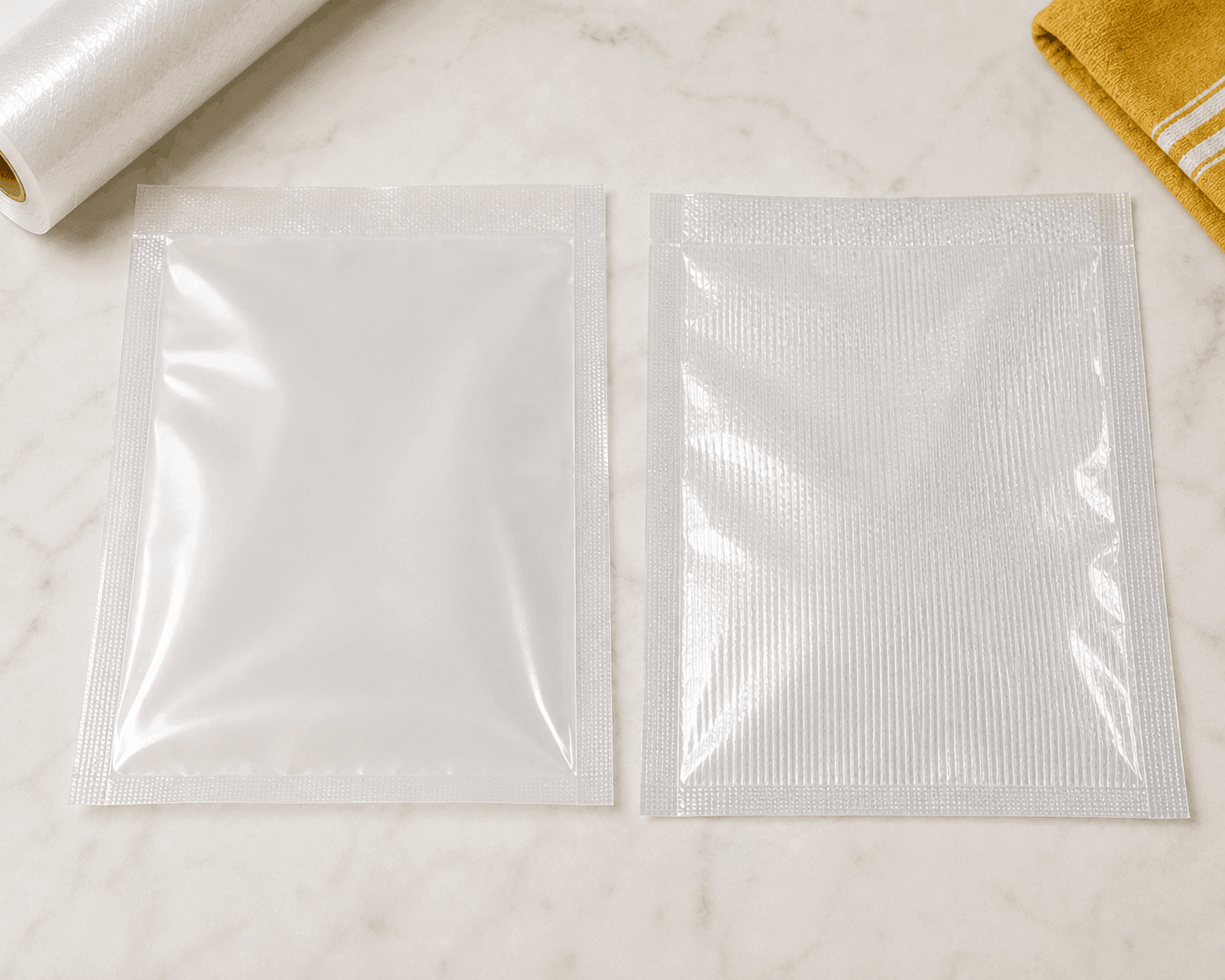 If pressing didn't help, swap in a different brand of vacuum sealer bags to rule out a defective batch. Cheaper bags sometimes have weak seams that look like a machine problem.
 -
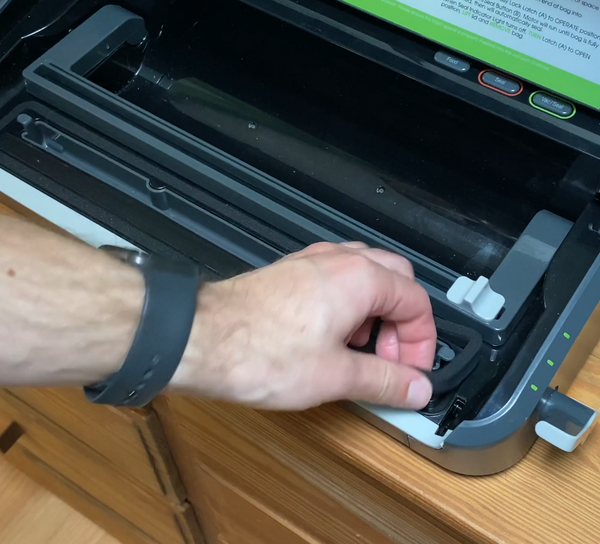 If a fresh bag still doesn't seal, the gasket itself needs replacing. If you buy the right gasket and it still doesn't fix the leak, we'll refund it — at least we'll have ruled it out together.
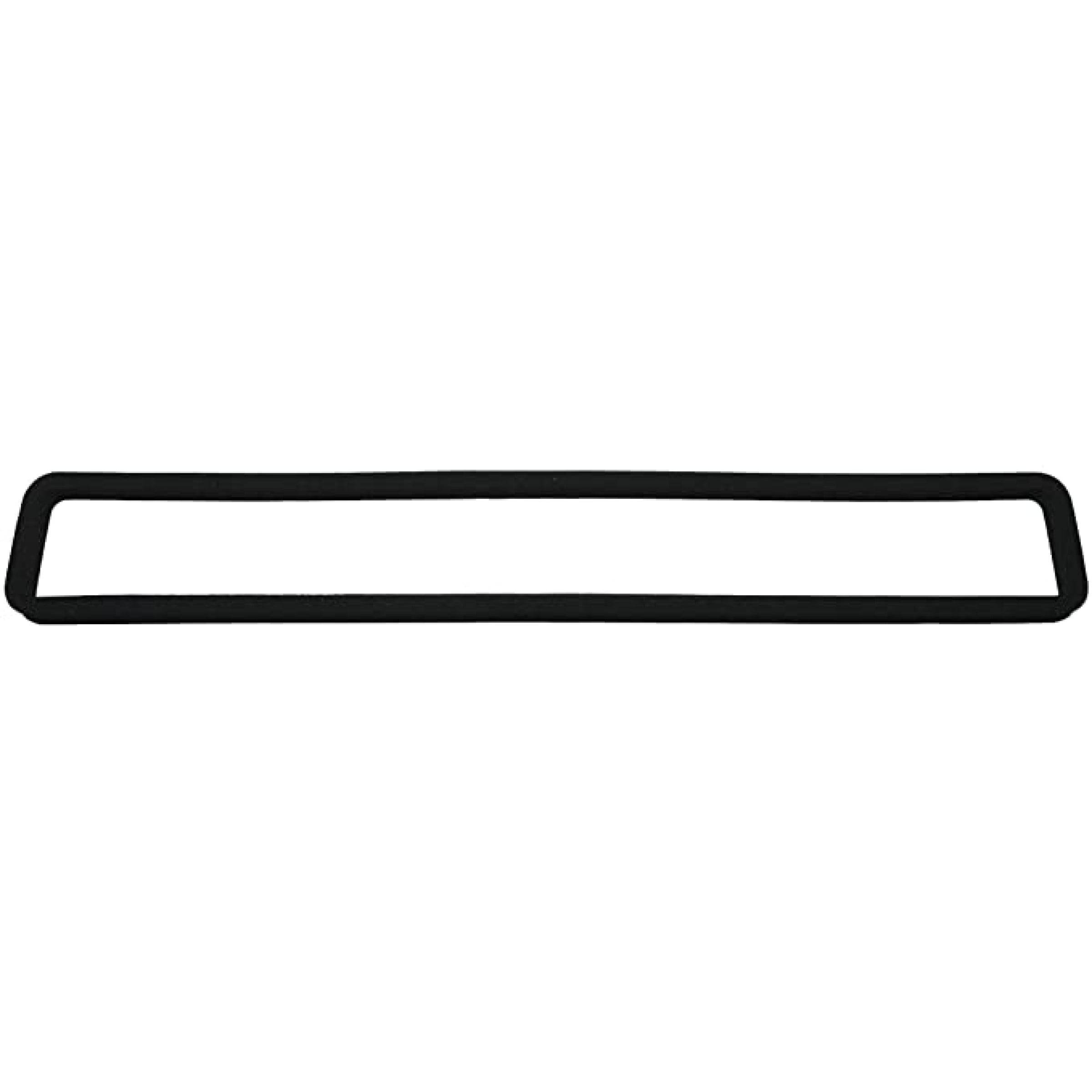
Find the right gasket for your machine
Search by model in the Gasket Assistant, or browse all in Vacuum Sealer Accessories.
Sealing bar problem
When the bag holds vacuum during sealing but loses it within seconds, the sealing bar — the heated strip that fuses the bag closed — isn't sealing cleanly. Two things to try:
-
Look closely at the seal line on a freshly sealed bag. Gaps or wavy spots mean the sealing bar's tape (the black or brown heat-resistant strip) is worn or torn. The tape is replaceable — you don't need a new machine yet.
-
If new tape doesn't fix it, the sealing bar itself is the problem and the machine needs replacing. We'll refund the tape if it doesn't help — sealing tape works on most countertop sealers, so it's a low-risk first step.
Replacement Sealing Strip Tape
3-pack. Protects your sealer's heating element so it seals like new again.
Best Prep Practices
A few small habits make the difference between a clean seal that holds and a bag that leaks days later. These are the techniques that cover most of what people get wrong.
-
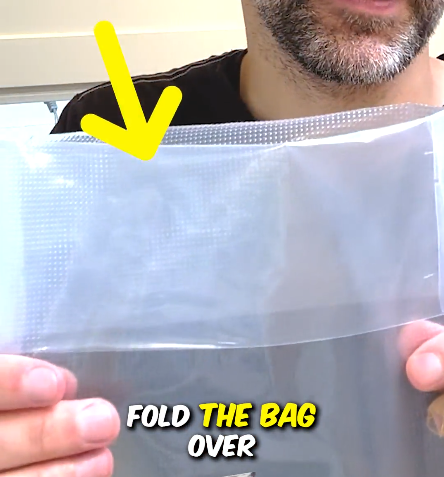
Fold the top of the bag before filling
Fold the top 1.5–2 inches of the bag down before you start filling. This keeps food and juice off the seal area so the machine has clean plastic to fuse together. -
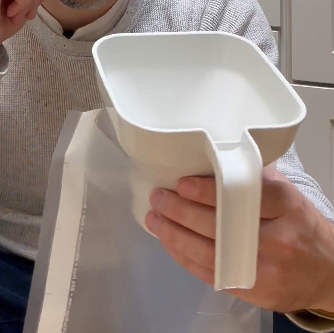
Use a canning funnel
For loose food and especially liquids, a canning funnel keeps the bag mouth open and directs food past the seal area. Don't overfill — leave room at the top. -
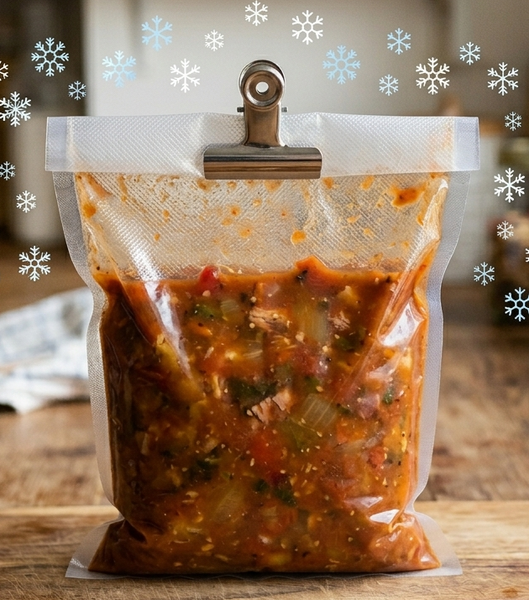
Freeze moist or liquid food first
Soup, chili, sauces, juicy meats — fill the bag, fold the top over with a clip, and freeze 4–8 hours until semi-solid. Then vacuum seal as usual. The liquid stays put and the seal forms cleanly. Full guide for soups and liquids → -
Add a paper towel to absorb moisture
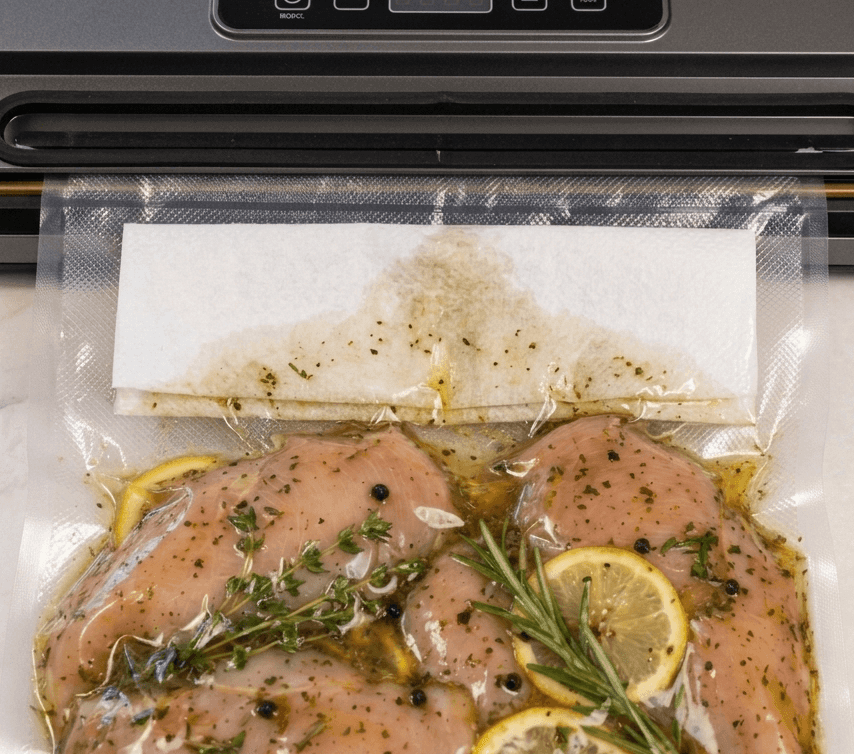
If you don't have time to freeze first, fold a paper towel and lay it across the mouth of the bag, just above the food. As the sealer pulls air out, the towel catches juices before they get sucked into the machine or make the seal fail. The paper towel stays in the bag with the food — no need to remove before storage. Works for meats or anything juicy. -
Wrap or double-bag sharp items
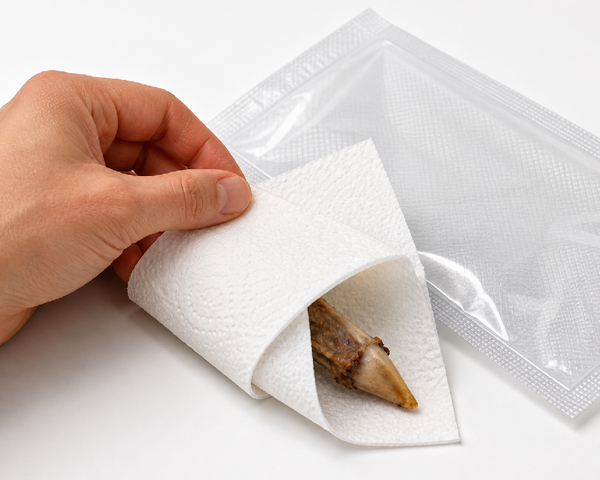
Bones, raw pasta, dehydrated foods, beef jerky — these can puncture a single bag. Wrap the pointy parts in folded paper towel, or seal the food in a double bag so the outer one still holds the vacuum if the inner gets punctured. -
Use oxygen absorbers for dried foods
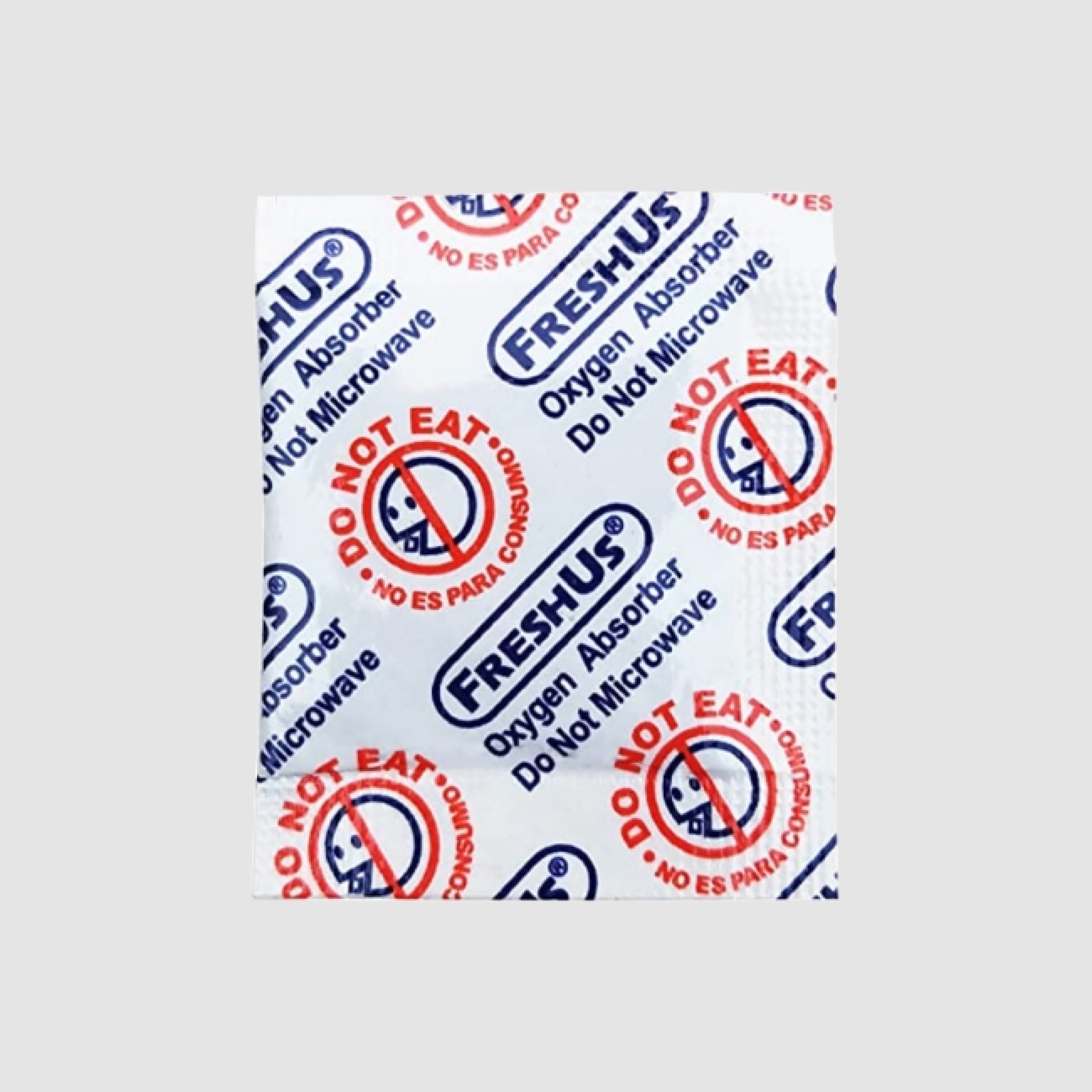
For jerky, dried fruit, and other shelf-stable foods, drop in an oxygen absorber and pulse-seal — stop the cycle before the bag pulls tight. The absorber takes care of leftover oxygen so the food keeps without crushing.Shop Absorbers
Frequently Asked Questions
The most common vacuum sealer problems and how to fix them — the same diagnoses the wizard above walks through, in case you'd rather scan the answers.
Why doesn't my vacuum sealer turn on?
If the motor doesn't run when you press Vacuum, the issue is one of three things: the power supply, the lid latch, or a worn-out pump. Start by checking the cable for damage and confirm the outlet is live. Some sealers only power on when the lid is latched all the way down, so push it firmly shut. If neither fixes it, the pump itself is shot — and since replacement pumps cost almost as much as a new machine and most countertop sealers aren't built to be repaired, a replacement machine is usually the better call.
Why won't my vacuum sealer pull a vacuum?
The most common cause is a worn gasket leaking air around the lid. Press down firmly on the lid while the motor runs — if the bag starts tightening when you push, it's almost certainly a gasket leak. Rule out a defective bag first by trying a different brand. If that doesn't fix it, replace the gasket: use the Vacuum Sealer Database to find the right part number, or browse the Gasket Assistant. If you buy the right gasket and it still doesn't fix the leak, we'll refund it.
Why does air leak back into my bag right after sealing?
When the bag holds vacuum during sealing but loses it within seconds, the sealing bar — the heated strip that fuses the bag closed — isn't sealing cleanly. Look closely at the seal line: gaps or wavy spots mean the sealing bar's tape (the black or brown heat-resistant strip) is worn or torn. Replacement sealing tape works on most countertop sealers, so it's a low-risk first step. If the tape doesn't fix it, we'll refund it. If new tape doesn't help, the sealing bar itself is faulty and the machine needs replacing.
Why does air leak back into my bag days later?
There are two possible causes: the sealing bar is gradually weakening (machine issue), or the food itself is slowly puncturing the bag (food issue). For a machine-side slow leak, inspect the seal line and try replacement sealing tape. For food-specific leaks — seasoned chicken, raw pasta, jerky, anything pointy or wet — the fix is in how you prep the bag: fold the top before filling, use a canning funnel, freeze moist food before sealing, and reinforce hard or pointy items with paper towel or double-bagging. Oxygen absorbers also let you skip pulling such a tight vacuum in the first place.